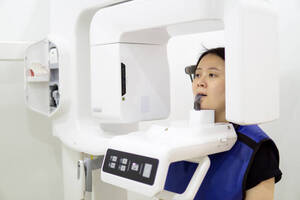
Children are naturally active and curious, which sometimes leads to dental injuries or emergencies. As a parent, knowing how to respond promptly and effectively can prevent complications, reduce pain, and even save a tooth. Emergency dental care for kids requires preparation, awareness, and understanding the options available for treatment.
Common Dental Emergencies in Children
Children can face a range of dental emergencies, and each requires a different approach. Some of the most common include:
1. Toothaches – Severe tooth pain can indicate cavities, infection, or injury. Persistent pain should never be ignored.
2. Chipped or Broken Teeth – Accidents from falls, sports, or rough play can cause fractures. Immediate care is essential to prevent further damage.
3. Knocked-Out Teeth (Avulsed Teeth) – Permanent teeth that are completely knocked out can sometimes be saved if treated quickly. Milk teeth usually should not be re-implanted, but prompt dental attention is still necessary.
4. Loose Teeth – A tooth that has been loosened due to trauma may indicate injury to the supporting structures.
5. Soft Tissue Injuries – Cuts or lacerations to the lips, tongue, or cheeks can be painful and may require medical or dental care to prevent infection.
Immediate Steps to Take
Knowing the right first-aid steps can make a significant difference in managing a dental emergency:
• Stay Calm: Children often take cues from their parents’ reactions. Staying calm helps them feel secure.
• Control Bleeding: Use a clean cloth or gauze to apply gentle pressure to stop bleeding.
• Preserve the Tooth: If a permanent tooth is knocked out, rinse it gently with water and try to place it back in the socket. If this is not possible, store it in milk or a tooth preservation solution and seek immediate dental care.
• Reduce Pain and Swelling: Cold compresses can help manage pain and minimize swelling in the affected area.
• Avoid Certain Remedies: Do not apply aspirin directly to the gums or force a loose tooth back into place.
When to Contact a Dentist Immediately
Some situations require urgent professional care:
• Persistent or severe pain that does not improve with over-the-counter medication
• Chipped, cracked, or knocked-out permanent teeth
• Bleeding that does not stop after 10–15 minutes of pressure
• Signs of infection such as swelling, pus, or fever
Calling a pediatric dentist promptly ensures proper treatment, reduces the risk of long-term complications, and reassures your child.
Preventing Dental Emergencies
While accidents can happen, prevention plays a crucial role:
• Promote Good Oral Hygiene: Regular brushing, flossing, and dental check-ups reduce the risk of cavities and infections.
• Use Mouthguards: Children involved in sports should wear protective mouthguards to prevent injuries.
• Create Safe Environments: Childproof homes, supervise playtime, and teach safe habits to reduce the risk of accidents.
• Educate Children: Teach children to avoid chewing hard objects like ice, pens, or hard candy that can break teeth.
Choosing the Right Pediatric Dentist
In the event of a dental emergency, a pediatric dentist is the best option. Pediatric dentists are trained to handle children’s dental needs, manage anxiety, and provide treatment in a gentle and effective manner. Make sure your child’s dentist offers emergency services and has a clear plan for after-hours care.
Conclusion
Dental emergencies in children can be stressful, but being prepared and informed can make all the difference. Parents should understand common emergencies, know the correct immediate actions, and seek professional care when necessary. By combining prevention, quick response, and professional guidance, parents can protect their child’s smile and ensure healthy dental development.
Visit: https://kidsdentalco.com/